

GSoP Update
Publish date: 11/02/2026
Read time: 4 minutes
GSoP Decisions - What businesses need to know in 2026
Following Andrew Jones' recent Regulations Round-Up, this month we're taking a closer look into one of the regulatory updates hitting the UK energy market in early 2026: Ofgem's Final Decision on Smart Meter Guaranteed Standards of Performance (GSoP) which have just been announced. These decisions mark a shift in smart‑meter consumer protections since the rollout began, bringing new accountability, new service expectations, and automatic compensation mechanisms that suppliers will need to build into every stage of the smart‑meter customer journey.
Andrew takes a look at what’s been happening and what the new updates are…
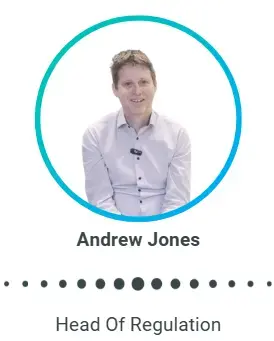
“While Ofgem’s new Smart GSoPs represent a nuanced approach to regulation, one that recognises the diverse needs of businesses, microbusinesses, and the wider smart meter rollout, I don’t agree that Smart GSoP is the necessarily the right way forward.
Our objective at TotalEnergies Gas & Power is fully aligned with Ofgem’s, namely, to deliver a high standard of service and a positive smart meter experience for all customer groups. However, we believe that the Smart GSoP framework, in its current form, introduces significant operational complexity without necessarily addressing the real challenges suppliers and customers face.”
What Ofgem Have Announced
Published on 30th January 2026, Ofgem’s Final Decision formalises three new smart‑meter‑specific GSoPs (covering MBC and SMETS meters only), all intended to create clearer expectations for installation timelines, fault investigation, and ongoing meter performance, with particular focus on microbusiness customers.
Why GSoP
Smart meters have long been seen as an important part of the UK’s energy transition, critical for accurate billing, time‑of‑use tariffs, demand flexibility. Yet with an estimated 3.4 million meters not communicating as of March 2025, issues have affected customer confidence and caused delays in resolving faults.
The new framework represents a shift from complaint-driven processes to mandatory service standards backed by automatic compensation. However, while these standards aim to create consistency, they also introduce additional regulatory requirements for suppliers, so raising costs for consumers.
Smart GSoP1: Updated Timelines for First‑Time Installations
The core requirement remains that suppliers must offer a smart‑meter installation appointment within six weeks for domestic customers. However, Ofgem has made important adjustments for microbusinesses.
New 60‑Working‑Day Window for Microbusinesses
Suppliers provided feedback that the six‑week requirement does not reflect the operational realities of microbusinesses, many of which have specific scheduling or site‑access constraints. As a result, Ofgem has amended the regulation:
- Microbusiness customers now have a 60‑working‑day (12‑week) timeframe for first‑time smart‑meter installation appointments.
This gives microbusinesses more flexibility while maintaining regulatory pressure on suppliers to deliver timely installations.
When Customers Choose a Later Appointment
Ofgem also clarifies that:
- If a customer prefers an appointment outside the required timeframe, the supplier is not required to pay automatic compensation, provided they were able to offer an appointment within the mandated window.
- Consumers may request a specific date/time, and suppliers must not unreasonably refuse.
This is expected to be especially relevant for microbusinesses needing installation visits to align with trading hours or operational planning.
Smart GSoP3: Issue Investigation & the Non‑Domestic Data Offer
Smart GSoP3 requires suppliers to provide a resolution plan within five working days when a smart‑meter issue is reported.
Clarifying Microbusiness Obligations
Ofgem highlights that Smart GSoP3 applies to microbusiness customers, but notes a key distinction:
- Suppliers are not obligated to provide In‑Home Displays (IHDs) to microbusiness customers.
- Since October 2024, suppliers must instead provide free, regular energy‑use information to non‑domestic customers using smart‑meter data, this may be delivered via online dashboards, reports, or other digital channels.
IHD‑Related Issues Excluded for Microbusinesses
As many microbusinesses do not receive IHDs, Ofgem has clarified:
- IHD‑related issues do not fall under Smart GSoP3 for microbusiness consumers.
- This is implemented by amending the definition of “customer” so that microbusinesses are excluded from paragraph (c) of “not operating as intended.”
This ensures a consistent regulatory approach regardless of how suppliers fulfil their non‑domestic data obligations.
Why These Changes Matter for Businesses
More Flexible Scheduling for Microbusinesses
The extended 60‑working‑day window recognises the practical needs of smaller operations, from trading hours to access limitations, reducing disruption and enabling better planning.
Clearer Expectations for Issue Reporting
With IHD obligations clarified, microbusinesses now know when GSoP protections apply and how their supplier should deliver usage information.
Stronger Consumer Protections
Across all customer types, the new GSoPs introduce automatic compensation for failures.
What This Means for Suppliers
Suppliers will need to:
- Adapt booking systems to offer different appointment timelines for domestic vs microbusiness customers.
- Maintain evidence showing when timely appointments were offered, important for compensation validation.
- Provide consistent non‑domestic energy‑use data in formats aligned with Smart GSoP3.
- Update internal definitions and processes to exclude IHD‑related issues for microbusinesses.
While these changes aim to strengthen consumer protections, they also introduce additional layers of complexity for suppliers and may not directly resolve the underlying structural issues affecting smart meter performance.
We're here to help
For further information on any of the topics covered within our Regulations Round Up, or to talk to us, please get in touch. We've a team of experts ready to help.
Please visit our BLOG pages to catch up with all our latest content and follow us on LinkedIn for regular updates!